
Leather craft continues to be regarded as one of the most premium and enduring handcraft traditions, not just for the products it yields, but for the skills, the cultural memory, and the human stories that help shape it. In India, this craft is a living legacy born from centuries of practice, experimentation, and refinement. From functional objects in early civilisations to fashion statements in contemporary markets, leather has continually reinvented itself while retaining an unbroken lineage of artisanal excellence. Unlike materials shaped for immediacy, leather rewards time: in how it is worked, how it is worn, and how it ages. This is what elevates it from a functional material to a cultural artefact.
Ancient roots of leather craft in India
Long before leather became a global commodity, it was an intrinsic part of Indian life. According to archaeological and textual references, during the Indus Valley Civilisation, around 3000 BCE, animal hides were used for protective clothing, footwear, and other basic gear. Later, during the Vedic period, around 1500 to 500 BCE, there is evidence of leather being used in the form of water bags, armour, and for musical instruments.
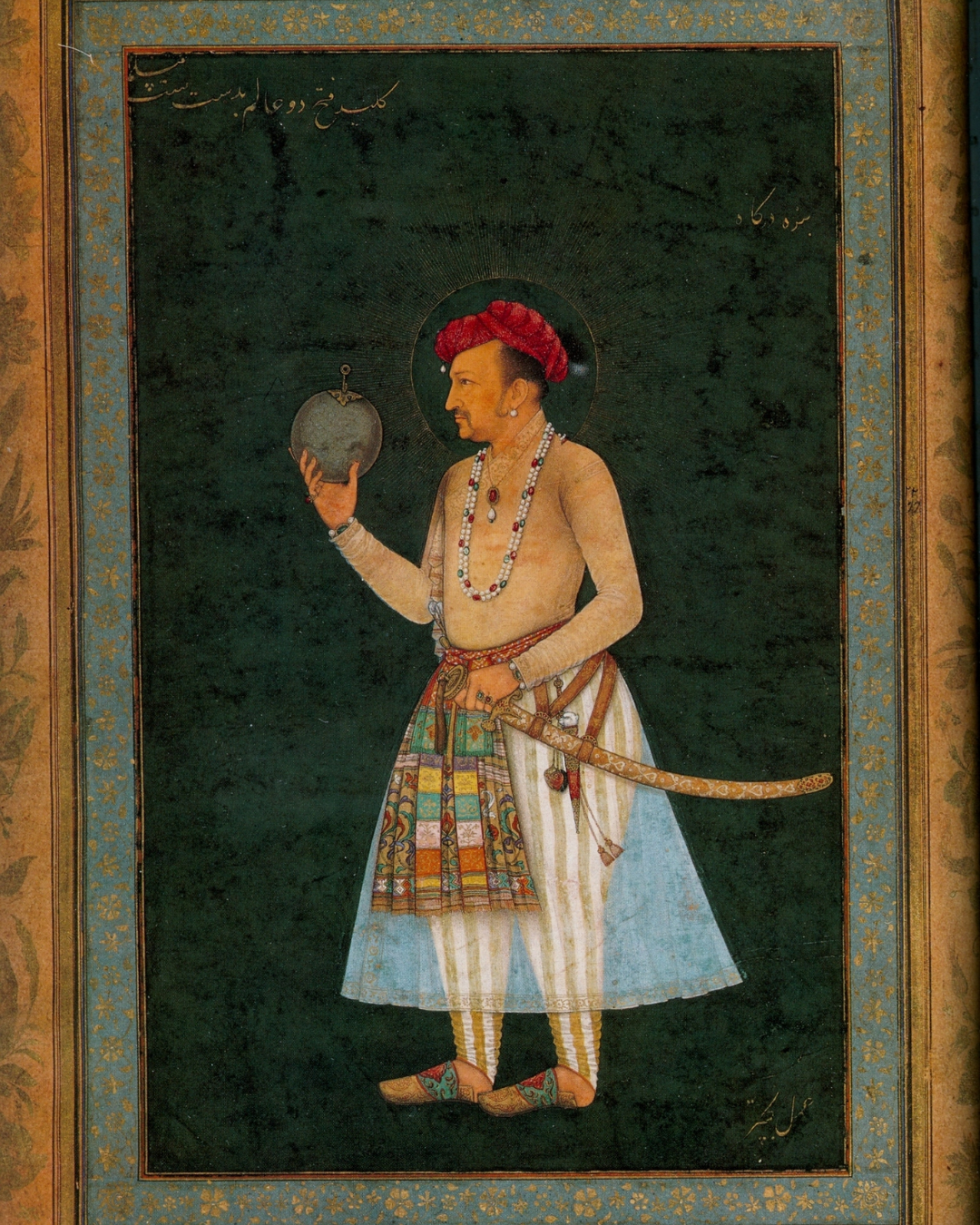
During the Mughal era, there was a fusion of Persian artistry and Indian tradition in leather craftsmanship. With royal patronage, craftsmen started making luxurious leather items, such as embroidered pouches, saddles, and book covers, which featured intricate detailing and hand painting.
Ancient roots of leather craft in India
Long before leather became a global commodity, it was an intrinsic part of Indian life. According to archaeological and textual references, during the Indus Valley Civilisation, around 3000 BCE, animal hides were used for protective clothing, footwear, and other basic gear. Later, during the Vedic period, around 1500 to 500 BCE, there is evidence of leather being used in the form of water bags, armour, and for musical instruments.
During the Mughal era, there was a fusion of Persian artistry and Indian tradition in leather craftsmanship. With royal patronage, craftsmen started making luxurious leather items, such as embroidered pouches, saddles, and book covers, which featured intricate detailing and hand painting.
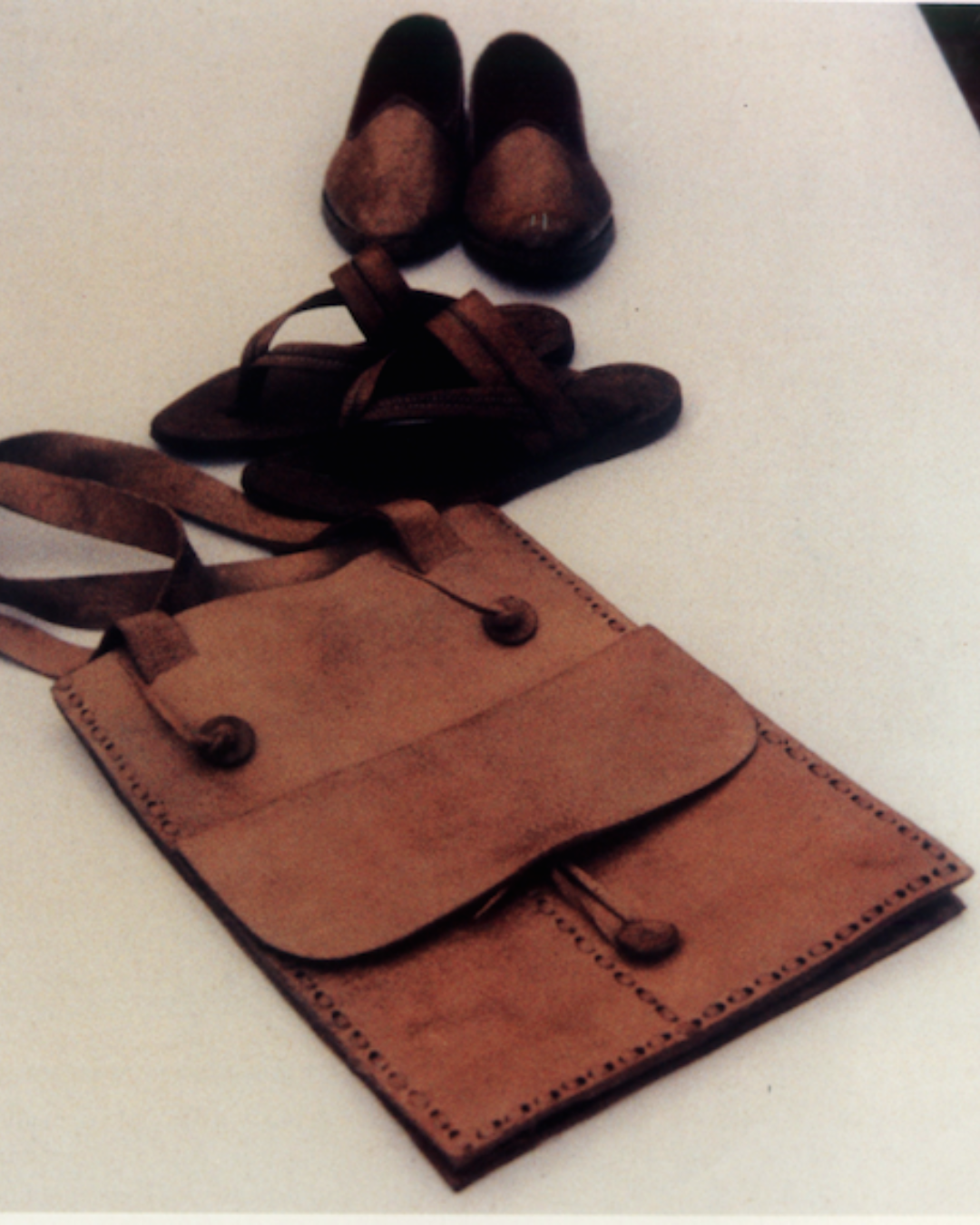
Initially, leather work was a practice limited to rural and tribal communities, especially Dalit groups like Chamar and Madiga. These communities developed unique, region-specific techniques for drying, tanning, softening, stitching, and crafting leather. Different regions created their own leather traditions, such as saddlery and utilitarian leatherwork influenced by nomadic cultures, leather puppetry and painted hides from the southern states, and intricately stitched footwear from the north.
In Rajasthan, leather was traditionally used for mojris, saddlery, and water containers, often finished with bold embossing and surface ornamentation. Kanpur and Agra emerged as centres for finely stitched footwear and utilitarian leather goods, building a legacy that continues to influence modern manufacturing. In the southern states of Andhra Pradesh and Karnataka, translucent painted hides were used to create intricate shadow puppets for storytelling traditions.
Tamil Nadu developed strong expertise in tanning and leather processing, laying the foundation for some of India’s most important leather clusters today, while the communities in Kutch, Gujarat, introduced decorative stitching, punched patterns, and surface embellishments that transformed functional leather into objects of visual richness. These skills were passed down through generations, gradually becoming a key part of the local economies.
Later, during the colonial period, leather production received a push with the British relying heavily on Indian leather for military boots, belts, and saddles. Slowly, the leather production shifted from a cottage industry to become industrialised, as machines began to be used to make the different leather products. By the mid-1900s, tanning and manufacturing had become modernised, which enabled large-scale production of leather products.
Evolution of India’s leather industry
Today, Indian leather has gained global recognition. The export of leather and leather goods remains substantial and has a significant impact on the country’s economy, contributing around 2% to the GDP. India holds a strong position in the global leather trade, ranking as the second-largest exporter of leather garments, the third-largest exporter of saddlery and harnesses, and the fourth-largest exporter of leather goods worldwide. In the 2025 fiscal (April to December), leather garments contributed 7.62% of India’s total leather exports, underscoring the sector’s continued relevance and export strength.
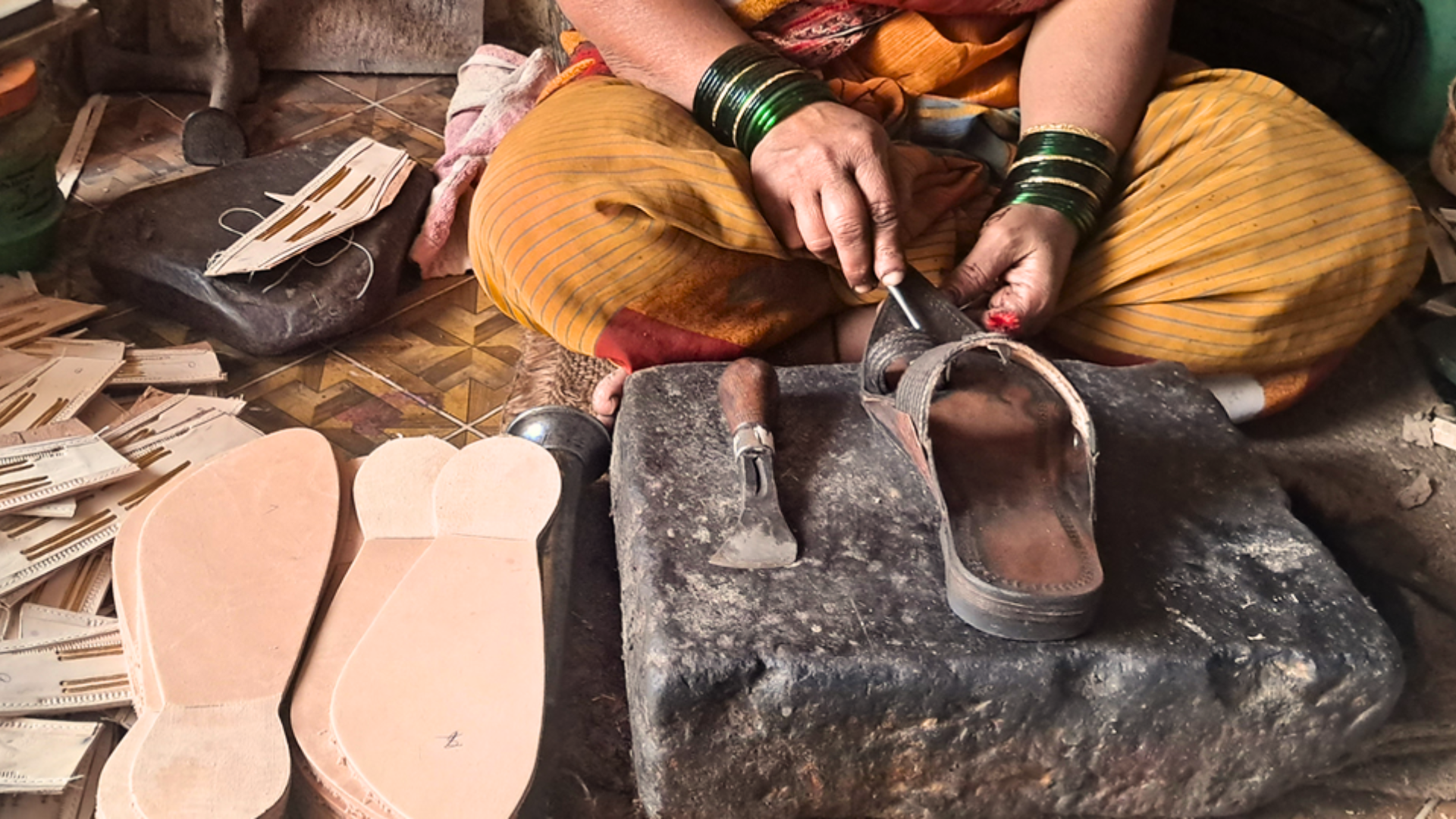
Beyond numbers, this evolution has amplified the global footprint of some of India’s most iconic handcrafted products. Iconic products such as Kolhapuri chappals, embroidered mojris, and India’s globally respected saddlery remain benchmarks of quality and design. Their enduring appeal was recently reaffirmed when Prada reinterpreted the Kolhapuri silhouette, drawing international attention and criticism. The Italian luxury house later signed an MoU to launch a limited-edition Kolhapuri collection in collaboration with artisans from Maharashtra and Karnataka, bringing one of India’s heritage crafts into international luxury narratives and fostering opportunities for skill exchange and international exposure.
The industry’s strength lies not just in scale, but in consistency and a reputation built on quality, ethical sourcing, and craftsmanship that translates seamlessly from local workshops to global luxury markets.
Among leather products, bags perhaps most clearly show how tradition and modern design meet. Leather remains a preferred material because it balances strength, flexibility, and visual richness in a way few others can. It stands up to everyday knocks and weight without losing its shape, and, over time, it doesn’t just wear out; it develops a soft patina that quietly records how it has been used, turning each bag into something more personal and lived-in, rather than simply old.
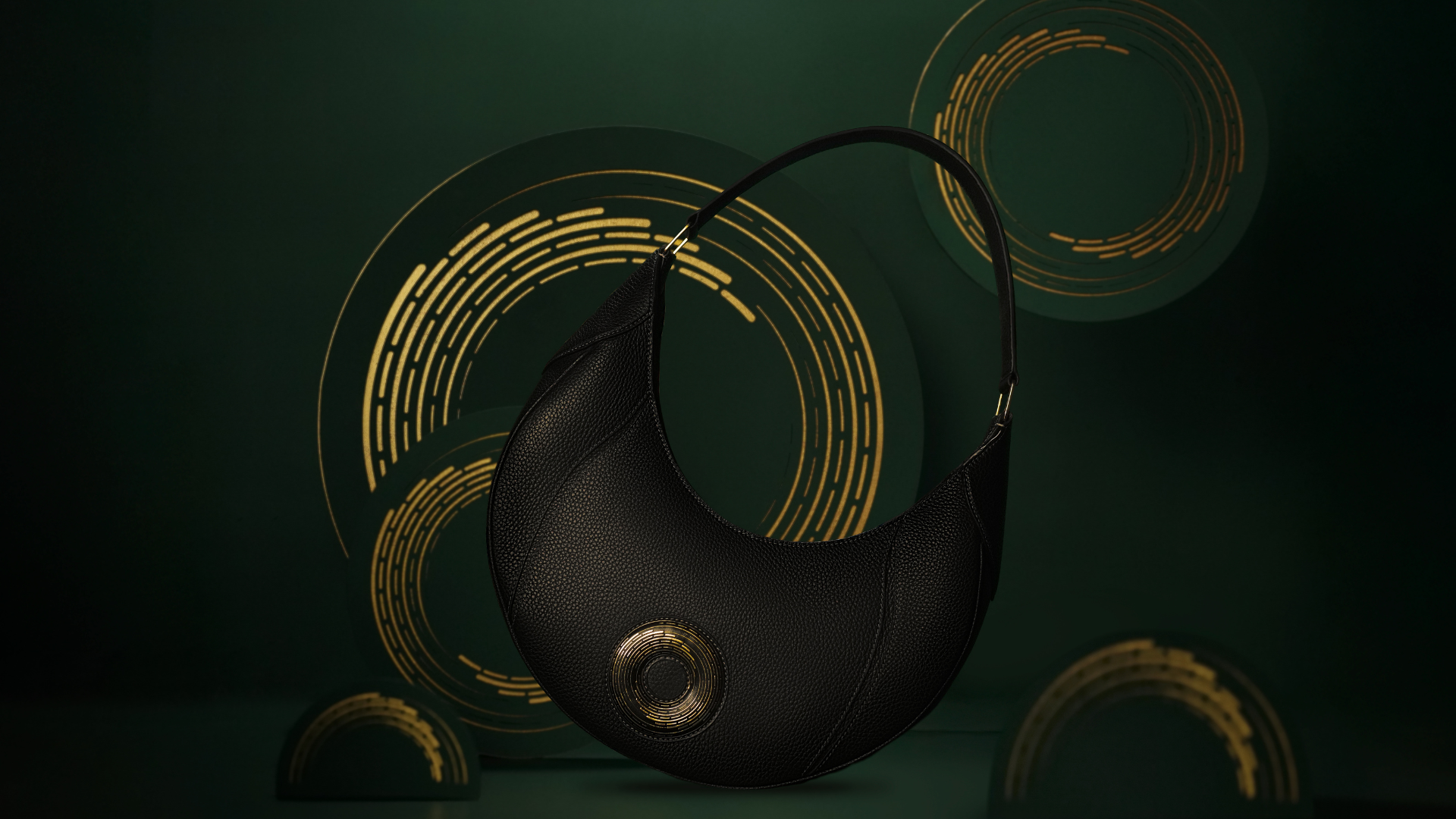
Brands like Aranyani exemplify this evolution—drawing from India’s long leather legacy while reinterpreting it for contemporary lifestyles. Traditional hand skills such as fine stitching, edge finishing, and surface detailing are retained, but expressed through modern silhouettes, clean lines, organised interiors, and functional features designed for today’s needs. Thoughtful proportions, refined hardware, and organised interiors sit alongside artisanal sensibilities, creating pieces that feel both timeless and relevant.
In this context, the leather bag is no longer just an accessory. It becomes an expression of how Indian craftsmanship continues to evolve, honouring tradition while embracing modernity, and shaping luxury through restraint, intention, and enduring design.